
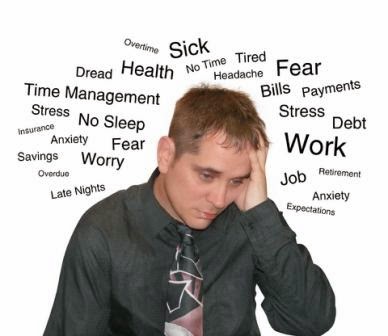
Brain: Studies have shown that everyday stress can actually shrink parts of your brain. It's not the traumatic major life events such as a death in the family or divorce that do the worst damage. Experts say that it's the lifetime build up of smaller stresses that you need to be careful about. The area most affected is the prefrontal cortex, which helps regulate emotions, cognition, desires, and impulse controls. Of course, stress can open you up to more serious mental conditions, such as depression, addiction, and other behavioral issues.
Bone Health: One of the side effects of having increased cortisol in your system is that it will eventually decrease calcium absorption in your bones. This will inhibit your body's ability to build bone density and has been linked with osteoporosis.
Teeth: While your body's chemical response to stress won't directly affect your teeth, the presence of chronic stress in your life can lead to other serious dental problems: teeth grinding. People who claim to experience stress daily are also very likely to grind or clench their teeth in their sleep. The worst part of this problem is that many people aren't aware they're doing it.
Heart: One of the most noticeable reactions your body has to stress is increased heart rate. This is caused by the heightened presence of adrenaline coursing through your body. Along with increased blood pressure, this can spell disaster for your cardiovascular health. There are many studies that fine a correlation between stress and heart disease.
Stomach: Your digestive system is disrupted during periods of stress in order for the body to focus its energy in other areas. In fact, blood flow can be decreased by as much as four times less to your stomach, decreasing your metabolism. Your stomach also experiences decreased nutrient absorption and oxygenation. Not to mention the likelihood that those who experience high stress are more likely to overeat and ignore a healthy diet, causing damage to your arteries. It's actually another effect of cortisol, as it causes your brain to crave higher amounts of glucose. In turn, you crave eating those 'comfort foods' that are higher in fatty carbohydrates.
Stress Relieving Techniques
There are a number of widely recommended techniques to help combat the toll stress takes on your body. Deep breathing, meditation, and muscle relaxation are some of the most effective. But, most experts and doctors will tell you that exercise is the best possible activity you can do to relieve stress. Exercise is great for you, both mentally and physically. The positive benefits that come from regular exercise are too many to number.

